 +86-576-82670088
 Fengjiang Industrial Park, Luqiao District, Taizhou City, Zhejiang Province, China


 English
 русский
 Español
Industry News ·
Industry News ·
Industry News ·
Industry News ·
Industry News ·
Industry News ·
Industry News ·
Industry News ·
Industry News ·
Industry News ·
Industry News ·
Industry News ·
Industry News ·
Industry News ·
Industry News ·
Industry News ·
OEM Solar Cable: Insulation and Connector Compatibility Decide the Service Life
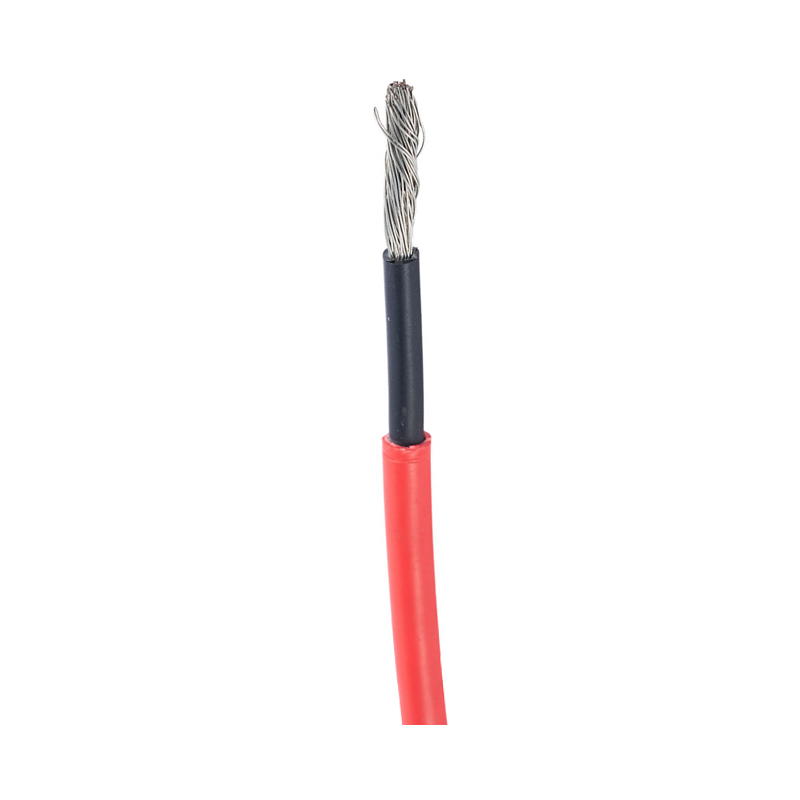
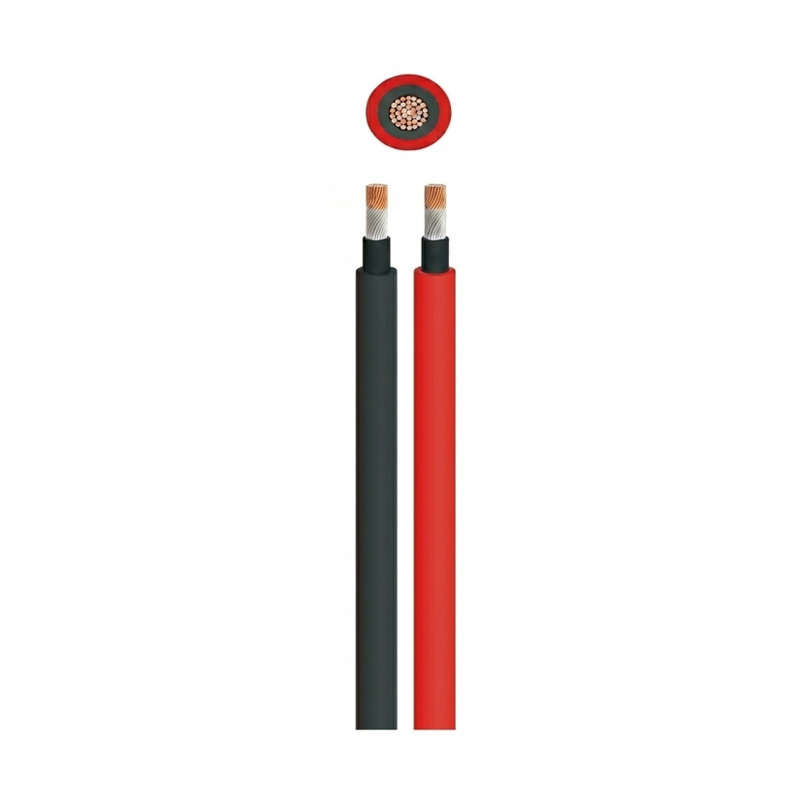
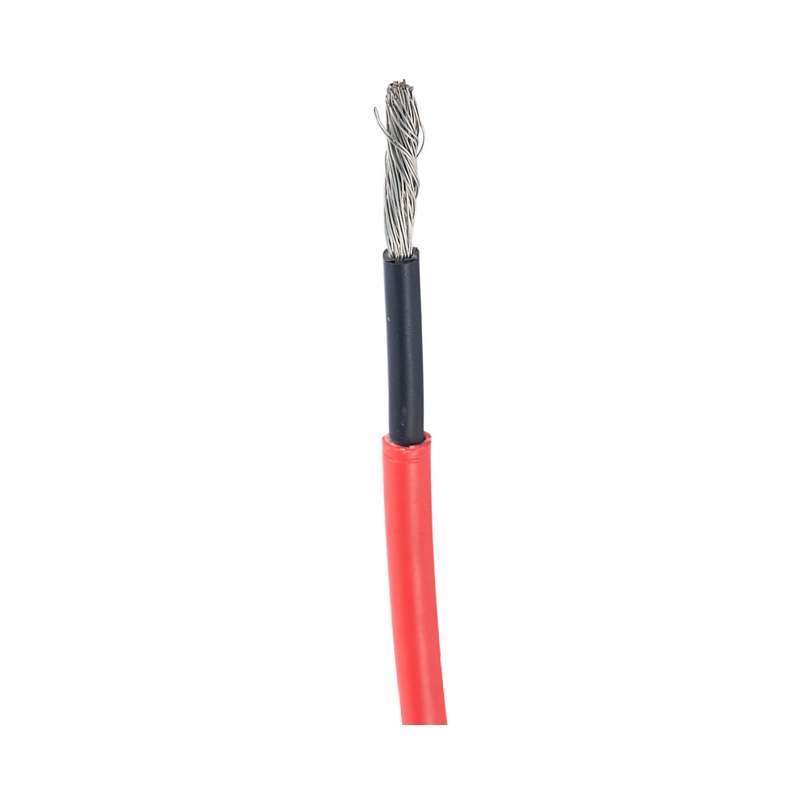
OEM solar cable is bought to connect panels, inverters, and combiner boxes in installations that are expected to run for twenty years or more, and it is judged on whether the cable survives that exposure rather than on its price per metre. Buyers comparing quotations often look at conductor size and jacket color, while the differences that decide whether an OEM solar cable performs sit in the insulation compound, the connector compatibility, and how the cable behaves under ultraviolet light and repeated temperature cycling.
Insulation compound and UV exposure
Solar cables are installed outdoors, often on roofs or in open fields, and the insulation has to resist sunlight for years. A jacket that is merely weather-resistant may crack within a few seasons, while a cross-linked compound designed for outdoor exposure holds up longer. Buyers should ask what insulation compound is used, whether it has been tested for UV resistance, and what standard the test followed. A cable that passes a short UV test can still fail after several summers, and the manufacturer should be able to explain the test duration and conditions.
Connector compatibility and mating
Solar cable is usually terminated with connectors, and the cable only performs if the connector is compatible with both the cable and the device it plugs into. Buyers should ask how the connector is specified, whether it is matched to the cable insulation diameter, and whether the connector and cable come from the same system. A connector that is crimped onto a cable with the wrong insulation diameter may hold mechanically but fail electrically, and mismatched connectors from different suppliers are a common cause of hot joints.
Temperature cycling and current carrying capacity
Solar cables experience daily temperature swings and current that varies with sunlight. The cable should be rated for the temperature range it will see, and the current rating should account for installation conditions such as conduit, bundling, and ambient temperature. Buyers should ask how the current rating was determined, whether it assumes free air or conduit, and how the cable behaves at the upper end of its temperature range. A cable that is adequate in free air may derate significantly when bundled with others.
Mechanical strength and installation practice
Solar cables are pulled through trays, over roofs, and around corners, and the insulation has to resist abrasion and compression. Three points deserve particular attention during installation:
- The jacket thickness should suit the route, since a thin jacket that passes a bench test can fail when pulled over a rough roof edge;
- The minimum bend radius should be respected, because a cable bent tighter than its rating develops insulation stress that shows up years later;
- The pulling tension should be controlled, since excessive tension stretches the conductor and changes its resistance.
The manufacturer should also provide guidance on installation, since poor practice can damage a good cable.
Traceability and batch records
Solar installations are often inspected and warrantied, so traceability matters. Buyers should ask whether the cable can be traced to a production batch, whether test records are kept, and whether certificates are available for the specific delivery. A cable without traceable records is difficult to defend if a failure occurs years later, and an OEM solar cable supplier that keeps batch records is easier to work with than one that does not.
What to confirm before ordering
Rather than comparing conductor size and price, buyers can ask what insulation compound is used and how it was tested for UV, how connectors are matched to the cable, how the current rating accounts for installation conditions, and whether batch records are available. Suppliers who answer with test data and installation guidance are easier to trust than those who answer with a data sheet. The cable is a familiar product; the difference lies in whether the insulation and the connector system were matched to the installation.
Ready to Begin?
Product Categories
Contact Information
 hsdx@hongshengcable.com
 +86-576-82670088
 +86-18858611799
 Fengjiang Industrial Park, Luqiao District, Taizhou City, Zhejiang Province, China
QR Code
Copyright © Hongsheng Wire and Cable Co., Ltd. All rights reserved.
