 +86-576-82670088
 Fengjiang Industrial Park, Luqiao District, Taizhou City, Zhejiang Province, China


 English
 русский
 Español
Industry News ·
Industry News ·
Industry News ·
Industry News ·
Industry News ·
Industry News ·
Industry News ·
Industry News ·
Industry News ·
Industry News ·
Industry News ·
Industry News ·
Industry News ·
Industry News ·
Industry News ·
Industry News ·
Power Cable Manufacturer: Conductor Purity and Insulation Wall Decide the Service Life
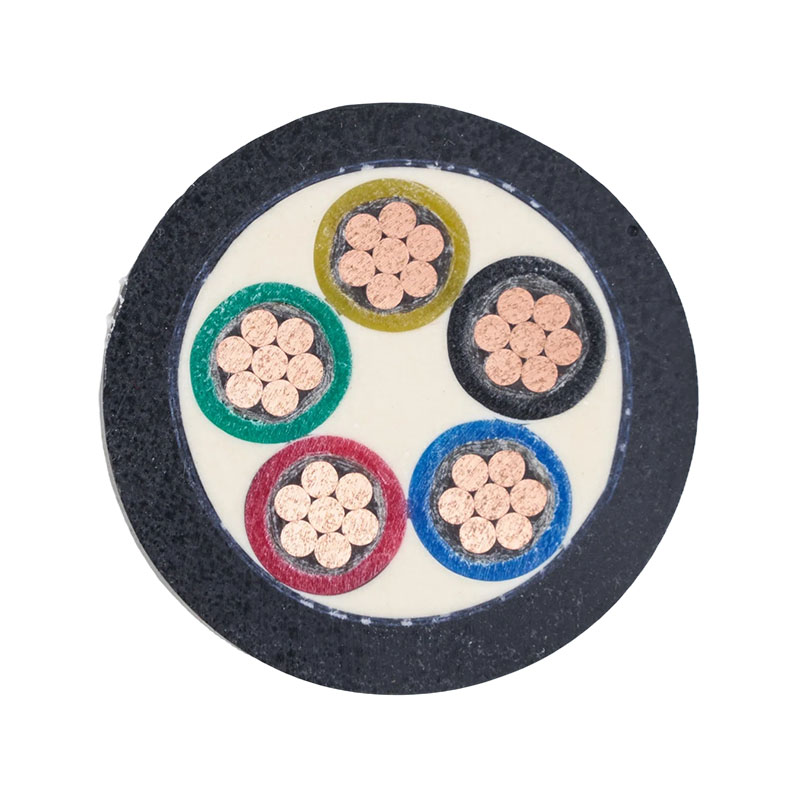
A power cable manufacturer is often selected on price per meter and delivery speed, but the cable that fails in service rarely fails because of price. It fails at a weak point in the conductor, at a thin spot in the insulation, or at a joint where the sheath was damaged during handling. Buyers who compare catalogues and quotations without asking about conductor purity, insulation wall tolerance, and sheath integrity tend to discover the difference only after the cable is buried or installed in a tray.
Conductor purity affects resistance and heat
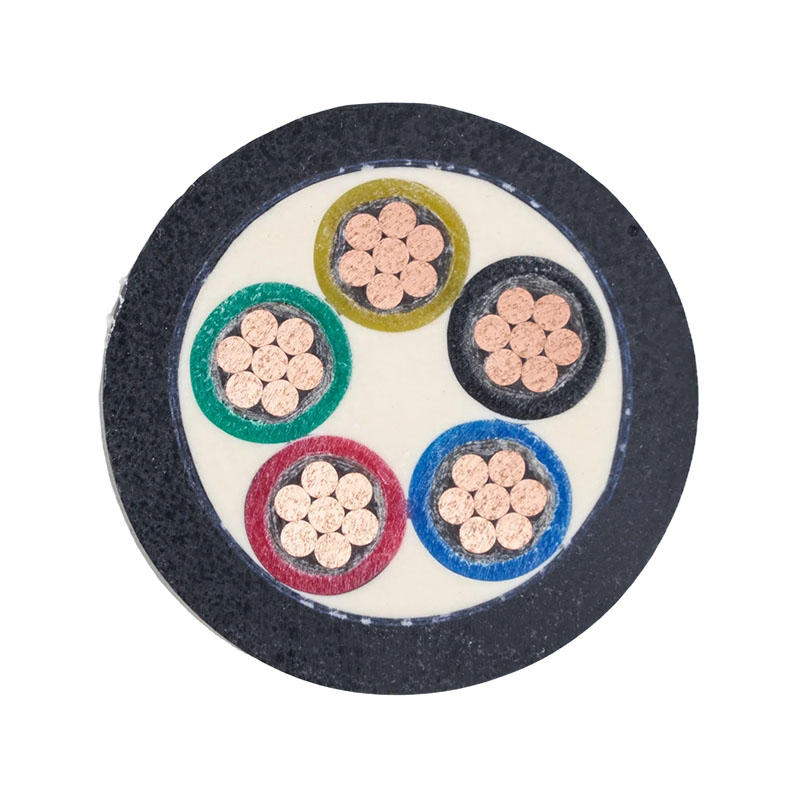
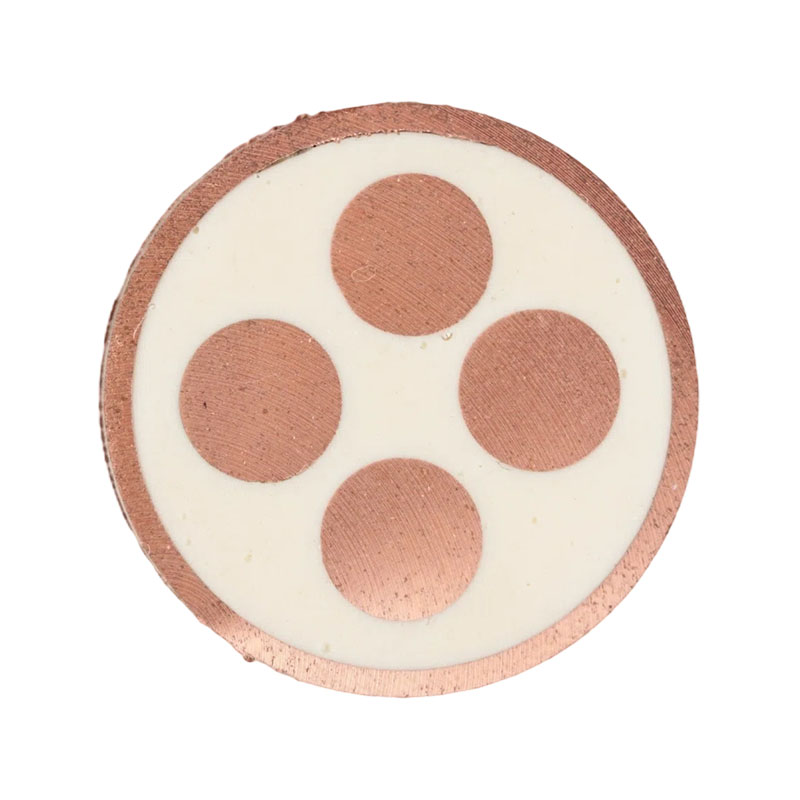
The conductor is the part that carries current, and its purity decides how much heat it generates. Two points deserve attention:
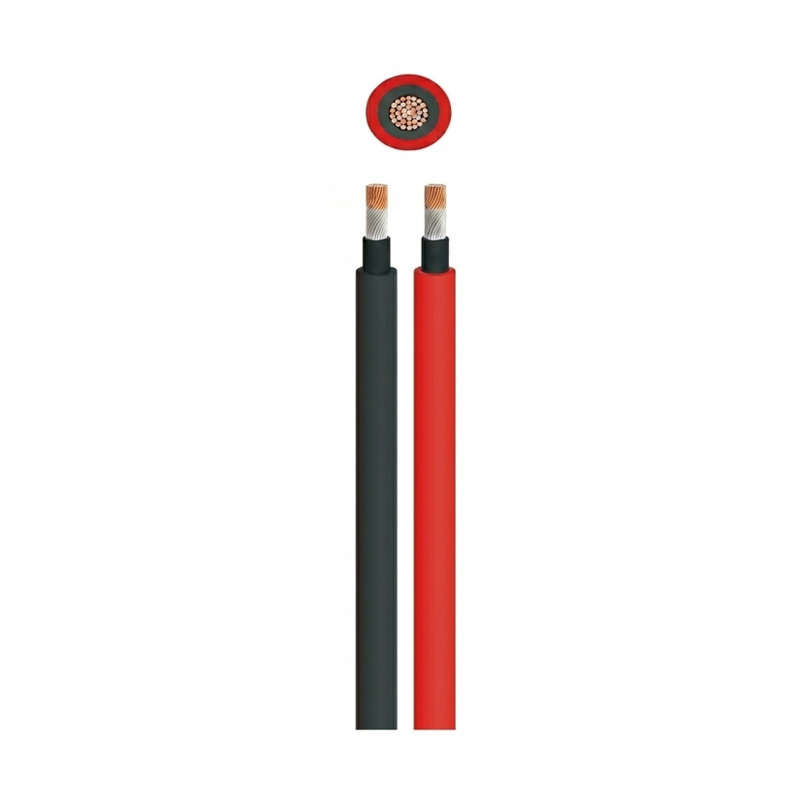
- The grade of copper or aluminium should be stated and tested, since recycled or alloyed conductor material raises resistance and heat;
- The conductor should be checked for strand diameter and stranding pattern, because a cable that is undersized in strand diameter carries less current than its nominal cross-section suggests.
Buyers should ask how conductor resistance is measured, whether it is tested on every production batch, and what acceptance limit applies. A conductor that measures well on a short sample can still vary across a long delivery.
Insulation wall thickness and concentricity
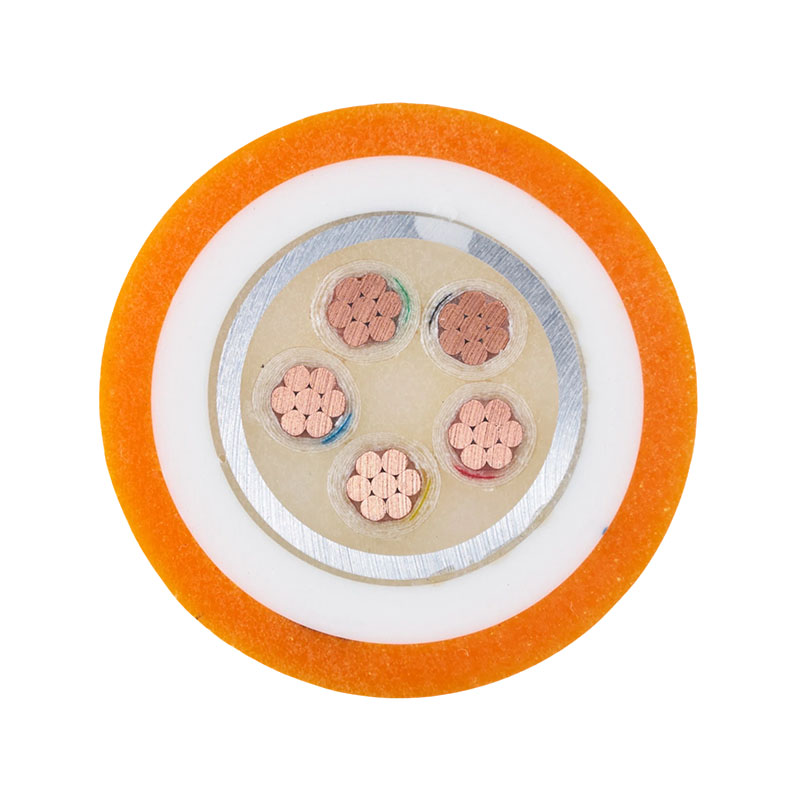
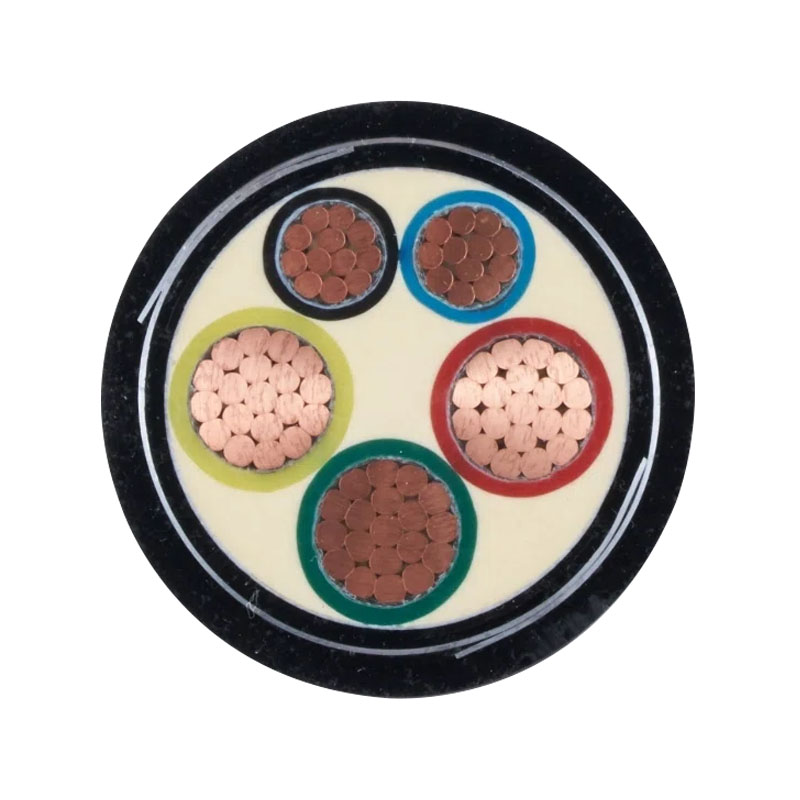
The insulation is what keeps the current where it belongs, and its thickness and concentricity decide how the cable performs under voltage stress. A cable with an off-centre conductor has a thin wall on one side, and that thin wall is where breakdown begins. Buyers should ask how insulation thickness is measured, whether concentricity is checked, and how the results are recorded. A manufacturer that measures at several points around the circumference is easier to trust than one that measures once.
Sheath, armouring, and mechanical protection
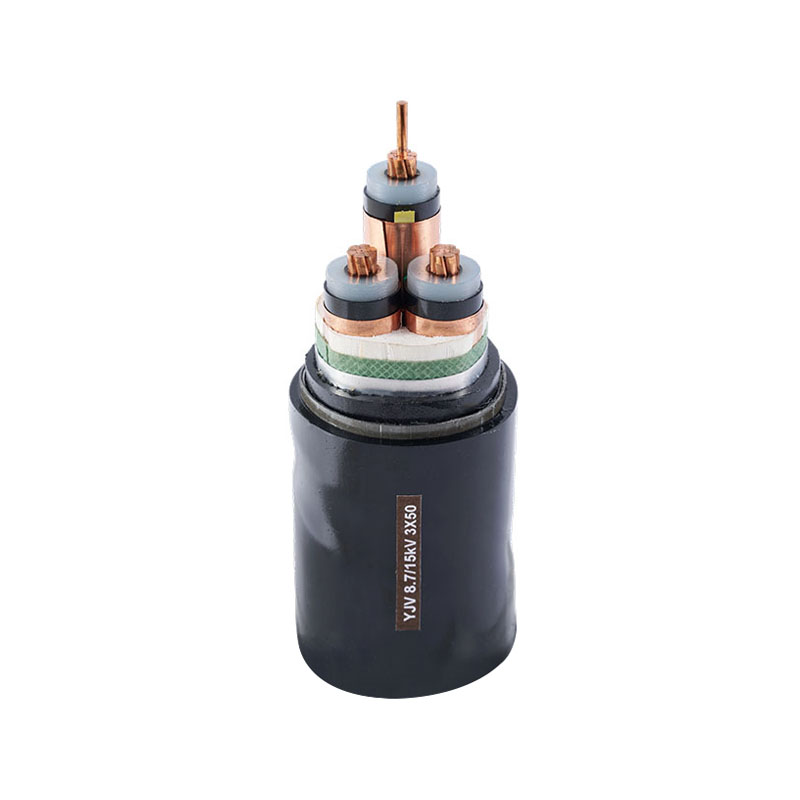
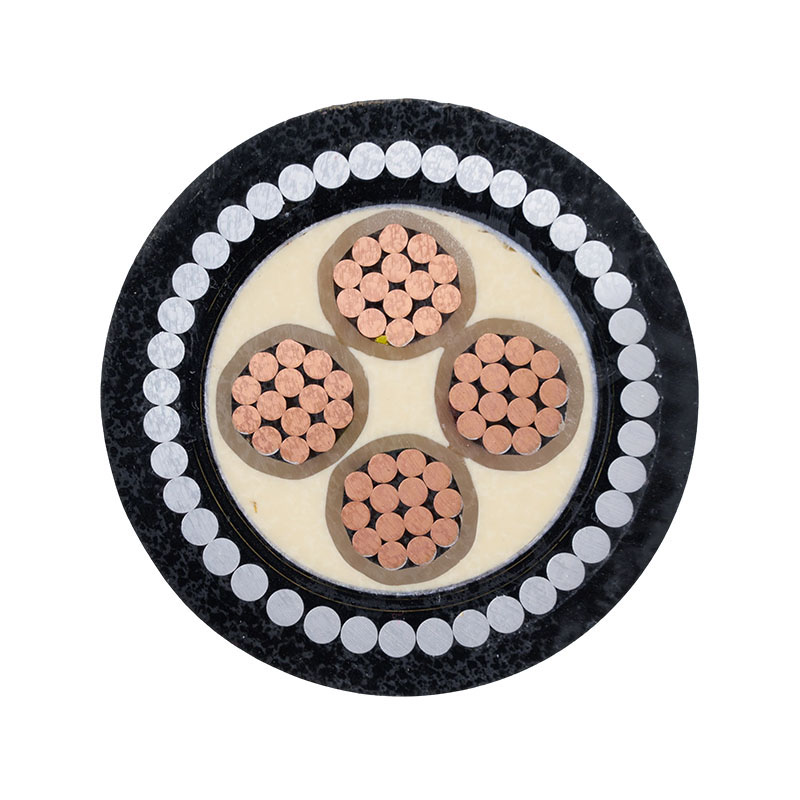
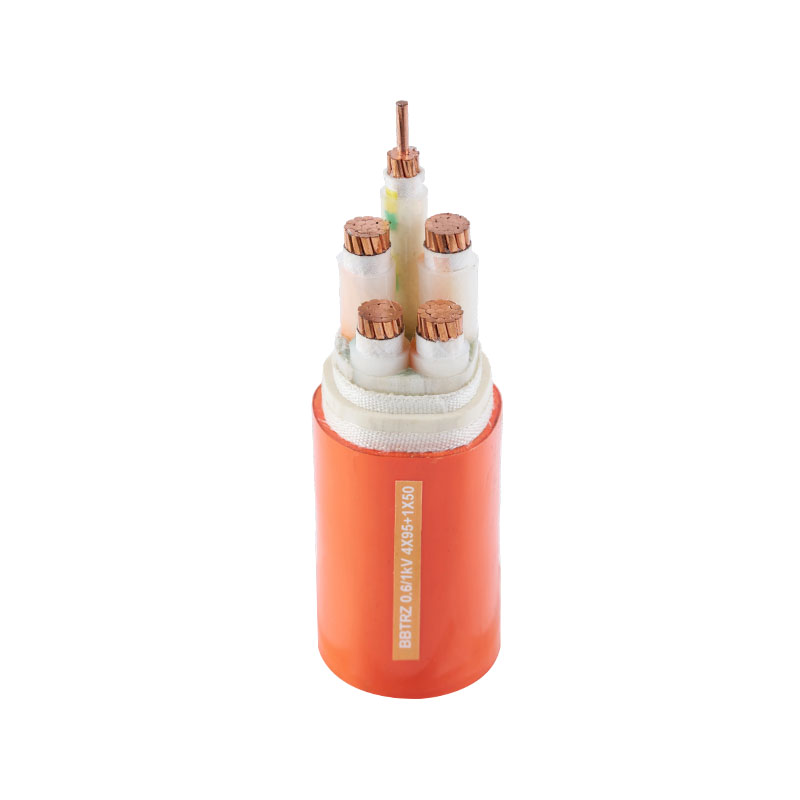
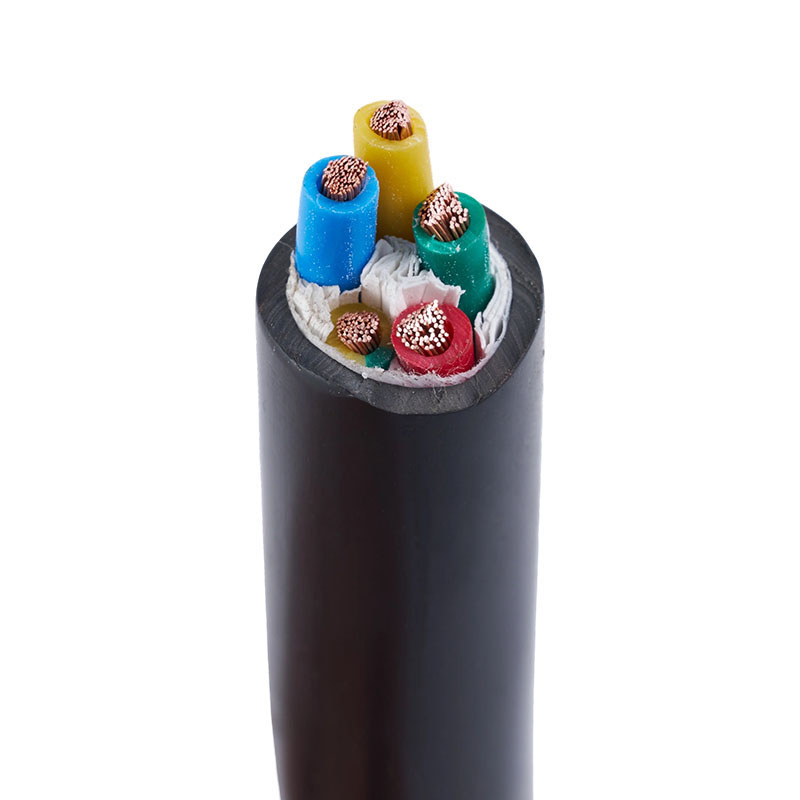
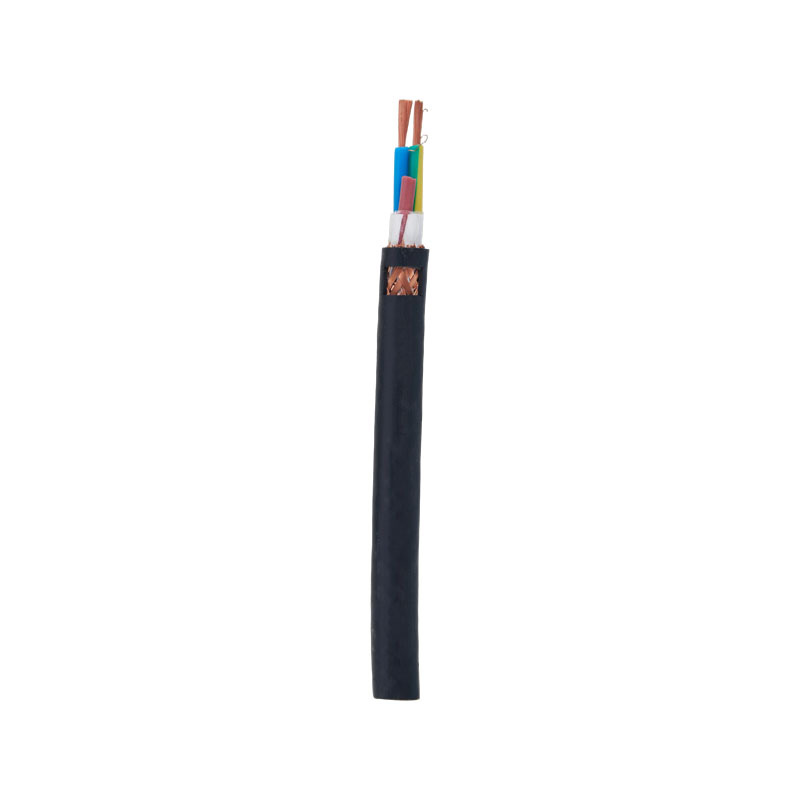
The sheath protects the insulation from moisture, chemicals, and mechanical damage, and its quality matters as much as the insulation in buried or industrial installations. Buyers should confirm the sheath material, its thickness, and whether armouring is applied where the cable will be buried or exposed. A sheath that is too thin or poorly bonded allows water to travel along the cable, and water treeing is a common cause of failure in buried cables. A manufacturer that explains how the sheath is applied and tested is easier to evaluate than one that lists only the material.
Testing, records, and what happens after delivery
Cable testing is often described in general terms, so buyers should ask which tests are performed on every batch and which are performed on samples. Routine tests such as conductor resistance and voltage withstand should be performed on every length, while other tests may be sampled. Buyers should also ask how test records are kept and whether they can be traced to a specific drum. A cable without traceable records is difficult to evaluate if a problem appears months later.
What to confirm before placing an order
Rather than comparing price per meter, buyers can ask how conductor resistance is tested, how insulation thickness and concentricity are measured, what sheath material and thickness are used, and which tests are performed on every length. Suppliers who answer with test methods and records are easier to trust than those who answer with a certificate alone. The cable is a familiar product; the difference lies in whether the conductor and insulation were controlled across the whole delivery.

Ready to Begin?
Product Categories
Contact Information
 hsdx@hongshengcable.com
 +86-576-82670088
 +86-18858611799
 Fengjiang Industrial Park, Luqiao District, Taizhou City, Zhejiang Province, China
QR Code
Copyright © Hongsheng Wire and Cable Co., Ltd. All rights reserved.
